
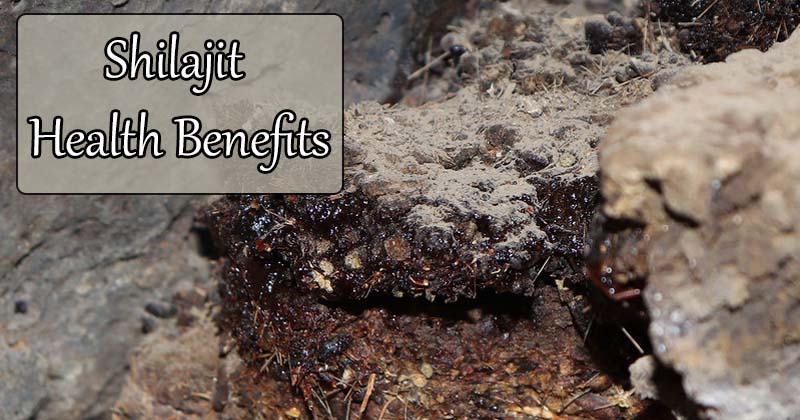
Nature gives us health supplements from a lot of different sources, like plants, fungi and even bacteria. But one of the most interesting supplements – shilajit — doesn’t come from any of these sources. Shilajit is only found on high mountaintops where it is gathered off of rocks.
While it might be strange compared to other supplements, shilajit definitely has a multitude of health benefits. Here’s what you need to know about shilajit benefits for men, women and overall health.
What Is Shilajit?
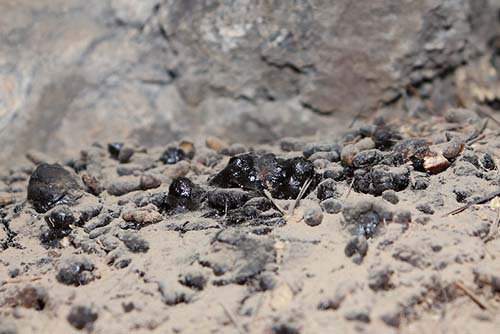
Shilajit is a dark brown or black substance that oozes out of rocks. It is typically found in high elevations, such as in the Himalayan Mountains, but it is also found in volcanic areas as well. Shilajit contains large amounts of trace minerals, especially fulvic acid. It has been used medicinally for centuries, particularly in Ayurveda where it is referred to as “rasayana”, which means rejuvenator. In Sanskrit, its name means “Conqueror of mountains and destroyer of weakness.” (1, 2)
Recommended: Pure Himalayan Shilajit Resin

Other Names for Shilajit
Shilajit is also known as mumiyo, mumijo, mumie, moomiyo, silajit and silaras. In English, it is sometimes mistakenly called Ozokerite. However, Ozokerite and shilajit are completely different substances and cannot be used interchangeably.
How Is Shilajit Formed?
Shilajit is made from ancient plant and microbial matter (humus). Over a period of millions of years, the matter slowly decomposed and got trapped in rocks. Shifting in the earth’s crust can cause the rocks to crack open, exposing hard chunks of shilajit. Temperature changes can also cause the shilajit to ooze out of rocks as a sticky, resin-like substance.
Shilajit is of particular interest to geologists. There have been many studies which identify the ancient plants and organisms that originally made up the shilajit. Studying it gives us clues into what the world looked like millions of years ago. (3, 4)

Active Compounds in Shilajit
Shilajit is mostly made up of 60-85% humic substances (humus), which essentially means decomposed ancient plant and microbial matter. Most of this humus comes from latex and resin-bearing plants, which is why shilajit is sticky and looks like resin.
One type of humic substance found in shilajit is fulvic acid. Shilajit can also contain numerous compounds such as trace minerals, eldagic acid, fatty acids, latex, gums, sterols, and and phenolic lipids. These compounds are responsible for the health benefits of shilajit.
It’s worth noting that shilajit also contains benzoic acid and benzoates. These have a urine-like odor, which is why raw or unpurified shilajit has such a bad smell. (5, 6, 7)
Shilajit Safety
Multiple studies show that shilajit is safe for human consumption. However, raw shilajit may contain some heavy metals or other toxins. For this reason, it is recommended to only take purified shilajit. Many reputable companies will also test their shilajit for toxins and make those test results available to customers. (8, 9)
As with all health supplements, contact your doctor before taking shilajit if you have health conditions, are pregnant, or are breastfeeding.
Side Effects of Shilajit
Shilajit usually does not cause any side effects. However, some people do experience some nausea and diarrhea when they first start taking shilajit. This is reported to be a side effect of the detox properties of the fulvic acid in shilajit.
To reduce the likelihood of side effects, start out by taking a smaller dosage of shilajit and work your way up to the recommended dosage. (10)
Beware of Fake Shilajit
Shilajit is often found on steep rock ledges so collecting it is very difficult. It’s also a limited resource and collectors might only find tiny bits of it. Because of this, some collectors will dilute shilajit with rocks, plant debris or plant resins. To make sure you are getting real shilajit, only buy from reputable brands which standardize their shilajit or are open about their sourcing methods. (11)
Benefits of Shilajit
Shilajit has been the subject of many studies into its health benefits. Here are the main health benefits of shilajit which are backed by science.
1. Source of Trace Minerals
Because of modern farming methods, a lot of soil lacks minerals and nutrients. As a result, our food contains fewer nutrients – particularly trace minerals — which we need to stay healthy. Shilajit contains more than 80 of these trace minerals, including copper, selenium, silver, zinc, and iron. It is very difficult to get all of these trace minerals in a manmade supplement, so shilajit is a solution for fighting mineral deficiency. (12, 13)
2. Improve Male Fertility
Traditionally, shilajit is used to increase male fertility and vitality. Modern research supports this benefit. Clinical studies in both animals and humans show that taking shilajit increased sperm cell counts and sperm motility. Studies also show that shilajit can also help male fertility by increasing testosterone and other hormones. (14, 15, 16)
3. Female Fertility
Studies show that shilajit can also improve female fertility. It works by increasing levels of follicle-stimulating hormone, which helps eggs mature. Shilajit also increases levels of luteinizing hormone, which triggers ovulation. (17, 18)
4. Adaptogen
Shilajit is an adaptogen, which means it helps your body handle stress. One study found that taking shilajit helped decrease stress and anxiety. Other studies are looking at shilajit’s adaptogen properties as a treatment for Alzheimer’s disease. (19, 20)
5. Gastric Ulcers
Shilajit helps treat gastric ulcers in two main ways. Firstly, it increases the carbohydrate to protein ration in the stomach. Secondly, it increases the mucus barrier in the stomach. This makes it a good natural treatment for ulcers. (21)
6. Fatigue
Traditionally, shilajit has been used to treat fatigue and tiredness. Modern research attributes this benefit to the trace minerals and fulvic acid found in shilajit.
The trace minerals have many roles, includingr energy metabolism and cell communication. Fulvic acid acts as a carrier molecule for these nutrients so they can get to where they are needed in the body. The combination of nutrients helps fight fatigue. (22)
7. Reduces Inflammation
Multiple animal studies found that shilajit reduces inflammation, including arthritis. Because inflammation is the root cause of so many disorders, shilajit has potential for treating many systemic problems. It is even being looked at as a treatment for cancer. (23, 24, 25, 26, 27)
8. Diabetes and Cholesterol
While further research is needed, a few studies have already found that shilajit helps balance blood sugar levels. It also reduces levels of LDL cholesterol and increases levels of HDL cholesterol. Thus, shilajit may be effective in fighting diabetes and high cholesterol associated with obesity. (28, 29, 30)
How to Take Shilajit
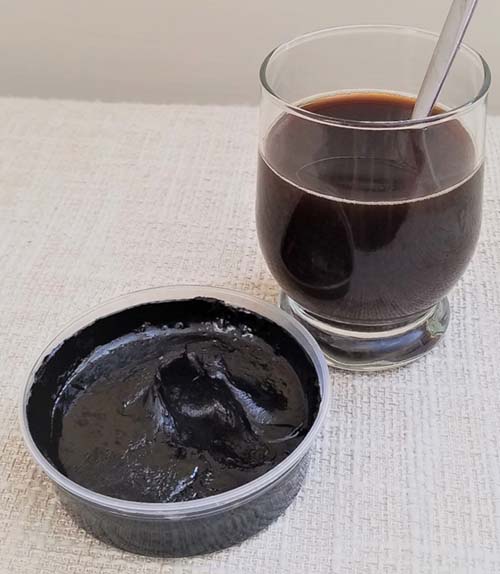
Shilajit supplements come in various forms: sticky resins, liquids, hard tabs, and powders. For health benefits, they are taken orally. Shilajit is also sometimes applied to the skin, especially to fight signs of aging. However, there is little evidence as to whether shilajit has benefits when used topically.
Shilajit Dosage
There is no set dosage of shilajit. However, the recommended dosage is usually listed at 300mg to 500mg per day. However, studies in mice have found that shilajit is safe to take in higher amounts. (31)
Recommended Shilajit

Currently, the best brand of shilajit is Pure Himalayan Shilajit. They offer several forms of shilajit from the Himalayan Mountains or Altai Mountains in Russia. All of their products are processed in a way which preserves nutrients. The products are also tested by a third party and they are very open about providing test results.
For more recommendations, see my reviews of the best shilajit supplements.
